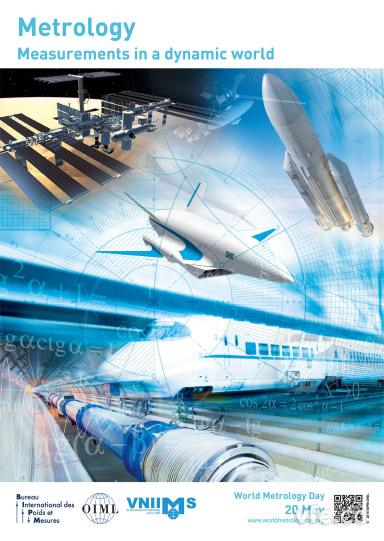
国际计量局主席致辞2016年世界计量日_动态世界中的计量
- 浏览次数:7018次
- 颁布功夫:2016/3/28 16:11:07
- 作者:hb_yinhe
日前�,,,�,�,国际计量局主席致辞2016年世界计量日�,,,�,�,2016年世界计量日主题为“动态世界中的计量”�,,,�,�,本文附中文翻译和英文原版供各人参考�。�。�。�。。。。
2016动态世界中的计量
作为一名机械工程师�,,,�,�,我脑海里第一个想到是动力学是利用物理学的一个分支�,,,�,�,出格在经典力学领域中�,,,�,�,关于力和扭矩及其对运动影响的钻研方面�。�。�。�。。。。动力学的钻研分两类:线性的(如力、质量/惯性,位移,速度,加快度和动量)和旋转(如转矩、惯性矩、动弹惯量、角位移、角速度、角加快度和角动量)�。�。�。�。。。。通常�,,,�,�,物体同时参加线性和旋转运动�。�。�。�。。。。
很多仪器在“动态”法造计量学中被利用�,,,�,�,举例注明:
自动称沉仪器:能够对运动物体进行称沉的仪器;;;;;
电表:丈量电子的流动的仪器;;;;;
各种类型的仪器:丈量水流量的各类仪器;;;;;
及其他各类液体流量、气体流量和计价器�。�。�。�。。。。
然而在英语中�,,,�,�,“动态”一词不仅与运动有关�,,,�,�,也与变动有关�。�。�。�。。。。
一个使用在多种分歧科学(如计量)和工程学科中的例子能够突显这个陆续性的和富有功效的“变动”�,,,�,�,那就是太空观光�。�。�。�。。。。1903年12月17日�,,,�,�,莱特兄弟研造出第一架可节造的�,,,�,�,具备持续自动推动职能的飞机�。�。�。�。。。。1957年10月4日�,,,�,�,苏联将人造卫星1号送入轨路�,,,�,�,这是地球的第一颗人造卫星�。�。�。�。。。。1969年7月20日�,,,�,�,在美国的阿波罗11号工作中实现了第一次载人登月�。�。�。�。。。。1998年�,,,�,�,国际空间站(ISS)的第一个组件�,,,�,�,或居住的人造卫星�,,,�,�,投入低地球轨路�。�。�。�。。。。2012年�,,,�,�,NASA的好奇号探测器成功登陆并对火星进行索求�。�。�。�。。。。最近�,,,�,�,2014年11月�,,,�,�,欧洲航天局的罗塞塔工作让菲莱探测器着陆在彗星上�。�。�。�。。。。
计量领域产生了巨大的变动�,,,�,�,有关某些国际尺度单元的界说工作�,,,�,�,诸如对于千克的新的界说已靠近实现�。�。�。�。。。。为其他国际尺度单元作出界说而改进设备的钻研持续得到成功�。�。�。�。。。。
计量学如人类文化一样古老�,,,�,�,它还在持续不休的变动�,,,�,�,还能看到它在加快变动�,,,�,�,它依然是动态的�。�。�。�。。。。参加到被我们称之为“计量”的工作的时刻是极度令人沉迷的�。�。�。�。。。。
2016动态世界中的计量
当我们回首第二十一个世纪的急剧变动时�,,,�,�,我们可能会说�,,,�,�,“唯一不变的就是变动自身”�。�。�。�。。。。对于计量工作的必要�,,,�,�,以及若何满足这种需要�,,,�,�,对于任何人来说都毫无例表�。�。�。�。。。。而将一个不变靠得住和精准的丈量系统所带来的方便利用于动态的世界无疑是一种挑战�。�。�。�。。。。
多多新技术的使用满足了很多社会需要�,,,�,�,从性质上讲�,,,�,�,这是通过不变和正确的计量才得以实现的�。�。�。�。。。。无论是在一个高速运行的磁盘驱动器中�,,,�,�,还是在电网中可再生能源的供给和需要变动方面�,,,�,�,或是推动环境改善和提高航空航天工业的燃油效能方面�,,,�,�,正确把握动态量对利用高技术获得进展是至关沉要的�。�。�。�。。。。动态数量也在现有工业中表演越来越沉要的角色�,,,�,�,如火车和卡车的动态称沉和对汽车轮胎与发起机的震荡与影响的监测�。�。�。�。。。。
这类动态计量的使用带来了出格的挑战�。�。�。�。。。。在日常利用中�,,,�,�,将高度正确的、持久不变的尺度同动态原位计量技术结合起来是比力难题的�,,,�,�,其自身就必要伟大的创新�。�。�。�。。。。
想要让东升国际官网计量能力合用于动态的世界还必要其他措施�。�。�。�。。。。对于“2018再界说打算”来说�,,,�,�,对国际单元造(SI)的将来需要将是一个关键驱动力�。�。�。�。。。。这种变动将确保更大的全球普遍性的丈量系统会带来更多益处,并且在将来科学和技术改革中创造新的机缘�。�。�。�。。。。
我们必要动态的组织中处于动态的人们来化解动态世界中的计量问题�。�。�。�。。。。
2016Measurements in a dynamic world
As a mechanical engineer, the first thought that comes to my mind is that dynamics is a branch of applied physics, specifically the field of classical mechanics which is concerned with the study of forces and torques and their effect on motion. The study of dynamics falls under two categories: linear (quantities such as force, mass/inertia, displacement, velocity, acceleration and momentum) and rotational (quantities such as torque, moment of inertia/rotational inertia, angular displacement, angular velocity, angular acceleration and angular momentum). Very often, objects exhibit both linear and rotational motion.
Numerous instruments are utilized in “dynamic” legal metrology; some examples are:
automatic weighing instruments, which can weigh items while in motion;
electricity meters, which measure of the flow of electrons;
various types of instruments that measure the flow of water;
the flow of various other liquids and gases, and taximeters.
In English, however, the word “dynamic” relates not only to motion but also to change.
One example that highlights this continuous and productive change which encompasses many different sciences (including metrology) and engineering disciplines is space travel. On December 17, 1903 the Wright brothers made the first controlled, self-powered sustained flight. On October 4, 1957, the USSR placed in orbit the Sputnik 1, the first artificial satellite of Earth. On July 20, 1969, the first manned lunar landing was achieved by the United States’ Apollo 11 mission. In 1998 the first components of the International Space Station (ISS), or habitable artificial satellite, were put into low Earth orbit. In 2012, NASA’s Curiosity succeeded in landing on and exploring Mars. More recently in November 2014 the ESA’s Rosetta mission landed its Philae probe on a comet.
In the metrology community we are now seeing significant changes related to the definition of certain SI units as work on the new definition of the kilogram nears completion. Research continues to be successful in refining values and equipment used in the definition and the mise en pratique of other SI units.
While metrology, the science of measurement, is as old as human civilization it continues to constantly change; it continues to see forward acceleration and it continues to be dynamic. It is truly a fascinating time to be a part of this very dynamic work that we call “metrology”.
2016Measurements in a dynamic world
When we reflect on the rapid pace of change in the 21st century, we may say that “the only thing that is constant is change itself”. The needs for metrology, and how these needs are met, are no exceptions; it is a challenge to bring the benefits of a stable and accurate measurement system to a dynamic world.
Many of the needs of society are met by new technologies, and it is essential that stable and accurate measurements are available to underpin them.
The accurate knowledge of dynamic quantities is pivotal to progress in high technology whether it is the high-speed movements in a disk drive, the variations in supply and demand from renewable energy sources on electricity grids, or the drive for environmental improvement and fuel efficiency in the aerospace industry. Dynamic quantities also play an increasing role in established industries, such as the dynamic weighing of trains and trucks, and the monitoring of vibration and impact arising from the tyres and engines of cars.
These applications of dynamic measurement bring particular challenges. Linking highly accurate long-term stable standards to dynamic in situ measurements in everyday applications is difficult and itself requires great innovation.
Adapting our measurement capabilities to a dynamic world requires other steps too. The need to ‘future proof’ the International System of Units (the SI) is one of the key drivers for the redefinition planned for 2018. The changes will ensure the benefits of greater universality of the world’s measurement system, and open new opportunities for scientific and technological advances in the future.
We all need dynamic people in dynamic organisations to address the challenges of measurement in a dynamic world.




 在线工具
在线工具 


